

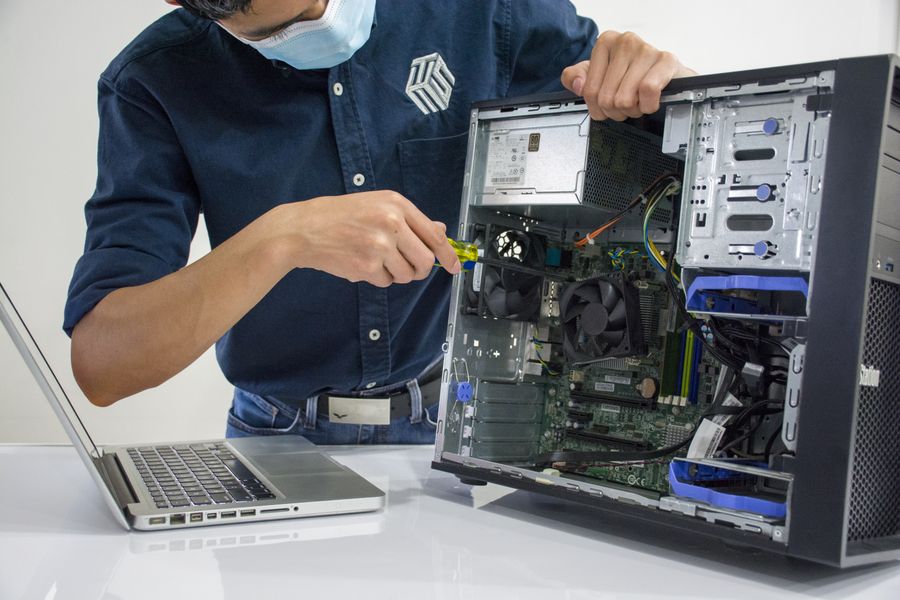
Photo by Nicola Barts from Pexels
In the complex world of IT equipment management, efficiently allocating and tracking devices is crucial for optimal operations. Traditional per-slot picking methods often fall short when assembling full kits for employees, leading to inefficiencies and frustration. This article explores why smart matching is a superior strategy for IT teams looking to streamline their processes, reduce waste, and enhance visibility.
TL;DR
- Per-slot picking can lead to inefficiencies and incomplete kits.
- Smart matching optimizes equipment allocation by considering policies and utilization.
- SetupMatch offers tools to automate and improve kit assembly.
- Enhanced visibility into inventory reduces waste and duplication.
- Transitioning to smart matching can significantly improve onboarding speed.
The Challenges of Per-Slot Picking

Per-slot picking is a traditional method where each piece of equipment is selected individually for an employee's kit. This process often results in inefficiencies due to several factors:
- Time-Consuming: Manually picking each item for a kit is labor-intensive and slow. This can lead to significant delays in onboarding new employees, especially in large organizations where the demand for new kits is constant. The process requires IT staff to physically locate each item, check its condition and compatibility, and then assemble it into a complete kit. This not only consumes time but also diverts IT resources from other critical tasks.
- Incomplete Kits: The risk of missing components is high with per-slot picking. Incomplete kits can severely hinder employee productivity, as missing items may prevent them from starting their work effectively. For example, a missing power adapter or specific cable can render a laptop useless until the missing part is sourced, causing frustration and downtime.
- Higher Error Rates: Manual processes are inherently prone to errors. Items may be incorrectly picked due to human oversight, leading to mismatched equipment that does not meet the specific needs of the employee's role. This can increase operational costs as resources are spent correcting these mistakes, not to mention the potential downtime for employees waiting for the correct equipment.
The Benefits of Smart Matching

Smart matching leverages technology to automatically select and allocate equipment based on predefined policies and current inventory data. Here's why it's a game-changer:
- Efficiency: By automating the selection process, smart matching drastically reduces the time spent on kit assembly. IT teams can allocate resources more effectively, focusing on strategic initiatives rather than mundane tasks. With smart matching, once the policies are set, the system automatically selects the appropriate equipment, ensuring that each kit is tailored to the specific needs of the employee's role.
- Accuracy: Smart matching ensures that all necessary components are included in each kit, reducing the risk of incomplete setups. This system uses a combination of role-based policies and real-time inventory data to ensure that each kit is complete and ready for use. This reduces the need for follow-up actions and ensures that employees have everything they need from day one.
- Utilization Insights: Smart matching provides comprehensive visibility into equipment usage, allowing organizations to track how their assets are being used. This insight enables better resource planning and helps reduce waste by identifying underutilized equipment that could be reallocated or replaced. By understanding the lifecycle and usage patterns of equipment, companies can optimize their purchasing decisions and reduce unnecessary spending.
"The symbols you see on the reels are determined by a random number generator (RNG) which ensures the outcome of any given spin is random and unpredictable.">, Slot Machine Superstitions: Common Myths and Misconceptions
This quote, although about slot machines, highlights the importance of randomness in processes. Similarly, smart matching ensures unpredictability is minimized by relying on data and algorithms rather than chance. By using data-driven decision-making, companies can ensure that their equipment allocation is both strategic and efficient.
Implementing Smart Matching with SetupMatch
Transitioning from per-slot picking to smart matching involves several steps:
- Inventory Assessment: Conduct a comprehensive review of existing equipment, noting condition and availability. This assessment forms the foundation of a smart matching system, as it provides the necessary data to inform decision-making. Knowing what equipment is available and its current state ensures that only functional and compatible items are selected for kits.
- Policy Definition: Establish clear role-based kit policies that dictate the necessary components for each role within your organization. These policies should be informed by the specific needs of each role, ensuring that employees receive equipment that supports their work effectively. This step is crucial for aligning equipment allocation with business goals and employee needs.
- Integration with SetupMatch: Leverage SetupMatch to automate the matching process, ensuring quick and accurate kit assembly. SetupMatch integrates with existing inventory systems to provide real-time data, allowing for seamless automation of the kit assembly process. This integration reduces the manual effort required and increases the speed and accuracy of kit deployment.
- Continuous Monitoring: Use SetupMatch's utilization insights to monitor equipment usage and adjust policies as needed. Ongoing monitoring ensures that equipment allocation remains efficient and aligned with organizational needs. By regularly reviewing utilization data, companies can identify trends and make informed decisions about future equipment purchases and allocations.
Key takeaway: Implementing smart matching with SetupMatch can streamline kit assembly and improve equipment utilization. By automating the process and leveraging real-time data, organizations can ensure that employees receive the right tools quickly and efficiently, supporting productivity and reducing downtime.
Checklist for Transitioning to Smart Matching
Transition to Smart Matching
Your progress is saved automatically in your browser.
FAQ
Frequently Asked Questions
In conclusion, smart matching offers a robust alternative to per-slot picking, enhancing the efficiency and accuracy of IT equipment allocation. With SetupMatch, you can streamline your processes, reduce waste, and ensure that your team has the right tools for success. Explore how SetupMatch can transform your IT operations by visiting our website.
Additional Resources
- Slot Machine Superstitions: Common Myths and ... - Uncover the truth behind common slot machine myths and misconceptions. Separate fact from fiction with our guide to slot machines.
- Slot Machine Challenge - mathematics - Karen owns a restaurant/bar. She wants to attract more customers, and is building her own custom slot machine game, which she can use to give away free ...
- Match: Ch 26 Milling Machines - Match all the terms with their definitions as fast as you can. Avoid wrong matches, they add extra time! Start game